A strong hotel distribution strategy helps hotels and resorts decide how rooms are sold across online travel agencies, direct website bookings, and other reservation channels while keeping rates, availability, and reservation information organized.
For Philippine properties, relying on only one booking source can limit flexibility. At the same time, managing many channels manually can create additional work and increase the risk of inconsistent room inventory.
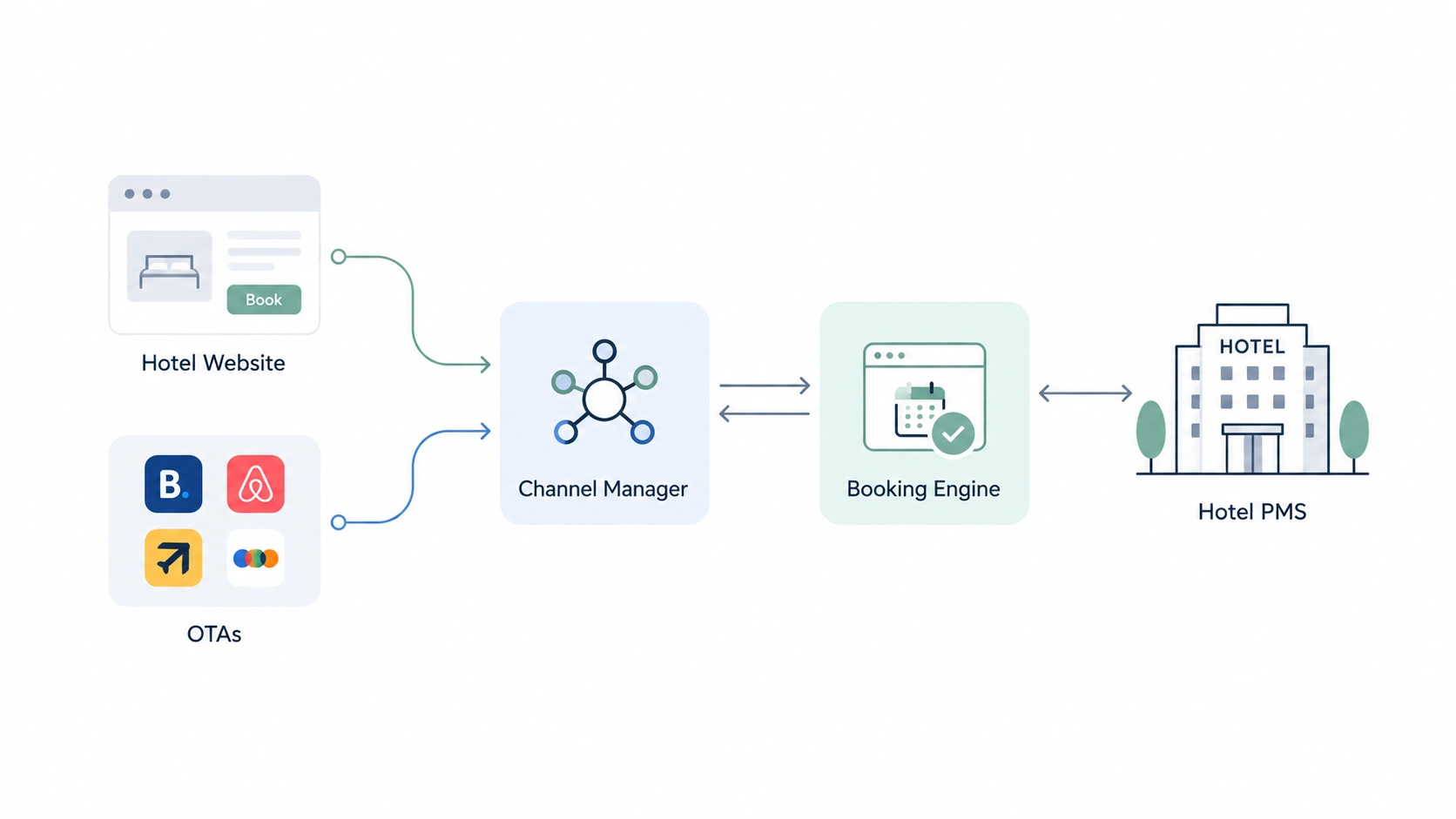
A more balanced approach combines a hotel channel manager for OTA distribution with a direct booking engine for reservations through the hotel website, supported by a connected hotel PMS or property management system.
The goal is not simply to appear on more booking platforms. It is to build a distribution environment where each channel has a clear purpose and every reservation can move into hotel operations efficiently.
What Is a Hotel Distribution Strategy?
A hotel distribution strategy is the plan a property uses to make rooms available to potential guests across different booking channels.
These channels may include:
- Online travel agencies
- The hotel website
- Direct calls or inquiries
- Corporate accounts
- Travel partners
- Front-desk reservations
- Group bookings
Each channel can contribute differently to the property’s overall booking mix.
Online travel agencies can help hotels reach travelers already searching for accommodation.
The hotel website can give guests a direct reservation option.
The hotel reservation system and PMS then help manage reservations once they reach the property.
A strong strategy connects these pieces rather than managing them as unrelated activities.
Why Hotel Distribution Becomes Difficult
Distribution becomes more complicated as a hotel adds more channels.
Every channel may need accurate information about:
- Room availability
- Room types
- Rates
- Stay restrictions
- Reservations
- Cancellations
- Booking modifications
If employees need to maintain these manually, hotel OTA management can quickly become time-consuming.
The hotel may also face inconsistent availability when one platform is updated before another.
This can contribute to hotel overbooking, outdated inventory, or additional reconciliation work.
For this reason, hotel room inventory management is one of the most important parts of distribution strategy.
The Role of a Hotel Channel Manager
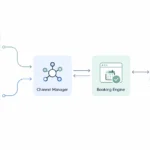
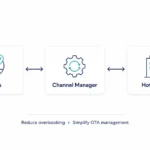
A hotel channel manager helps properties manage rates, inventory, and reservations across connected online travel agencies from a more centralized system.
Instead of logging into individual OTA platforms every time inventory changes, hotel teams can handle more of the distribution process through the channel manager.
A simplified flow may look like:
Hotel PMS → Channel Manager → Connected OTAs
Reservations may then flow back:
OTA → Channel Manager → Hotel PMS
The exact data exchange depends on available integrations and configuration.
Jinisys’s Fraktel Channel Manager can support centralized OTA management, rate synchronization, room inventory updates, reservation handling, and reduced manual encoding across connected channels.
How Hotel Channel Management Improves Distribution Control
Good hotel channel management is not only about connecting multiple OTAs.
Hotels also need to understand what rooms and rates they are making available through each channel.
A centralized approach can help properties:
- Keep availability more consistent
- Reduce repetitive updates
- Manage rates more efficiently
- Monitor reservations from connected channels
- Improve visibility over online distribution
- Reduce inventory discrepancies
For properties working with several online travel agencies for hotels, this creates a more manageable distribution workflow.
The Role of a Direct Booking Engine
A direct booking engine supports another side of the hotel distribution strategy: reservations through the property’s own website.
Instead of requiring guests to call, send an email, or visit a third-party platform, the hotel website can provide an online hotel booking system.
Depending on the configuration, guests may be able to:
- Select stay dates
- Check available rooms
- Review room types
- View rates
- Enter guest details
- Submit a reservation
A simplified direct-booking flow looks like:
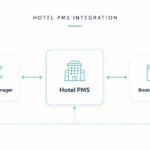
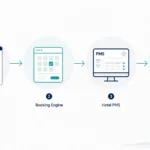
Guest → Hotel Website → Booking Engine → Hotel PMS
This turns the hotel website into an active reservation channel.
Why Direct Booking Opportunities Matter
OTAs can provide valuable reach, but hotels should also make it easy for travelers who already visit the hotel website to reserve directly.
Potential direct guests may arrive from:
- Google Search
- Social media
- Google Business Profile
- Paid advertising
- Email campaigns
- Referrals
- Returning guest searches
Without a booking engine, those website visitors may still need to leave the property website to complete their reservation.
A booking engine reduces that friction by keeping the reservation journey on the hotel’s own channel.
It does not guarantee more direct bookings, but it creates additional opportunities for travelers to reserve directly.
OTA Distribution and Direct Booking Should Work Together
A common mistake is treating OTA bookings and direct reservations as completely separate strategies.
A stronger hotel distribution strategy uses them together.
For example:
Online Travel Agencies → Channel Manager → Hotel PMS
and
Hotel Website → Booking Engine → Hotel PMS
Both booking paths feed into the same property operation environment.
The OTA side helps the property gain distribution reach.
The direct side gives guests another way to reserve.
The PMS helps manage what happens once the reservation reaches the hotel.
Why the Hotel PMS Is Important
The hotel PMS or hotel property management system acts as an operational center for hotel reservations.
Depending on the selected solution, a PMS may support:
- Reservations
- Room assignments
- Guest accounts
- Check-in and check-out
- Billing
- Housekeeping coordination
- Room status
- Operational reporting
When the PMS connects with the channel manager and booking engine, reservations from different sources can become part of one broader hotel booking management workflow.
This is especially useful for properties evaluating a property management system Philippines solution.
The PMS should not only support front-office operations. Its ability to connect with the property’s booking and distribution technology is also important.
Property Management Software Philippines: Look Beyond Individual Features
Hotels comparing property management software Philippines options often look at features such as reservations, billing, housekeeping, and reporting.
Those features matter, but connectivity can be just as important.
A hotel should ask:
- Can the PMS connect to a channel manager?
- Can it receive direct booking-engine reservations?
- How does availability synchronization work?
- How are cancellations processed?
- How are room types mapped?
- Which system controls room inventory?
- How are reservation modifications handled?
A connected property management system can reduce the number of manual steps employees need to perform between booking channels and hotel operations.
How Better Inventory Management Can Reduce Overbooking Risk
Suppose a hotel has one room remaining for a particular date.
That room may be available through:
- Several OTAs
- The hotel website
- Direct reservations
If a reservation is confirmed through one source but the remaining channels are not updated quickly enough, another guest may still see the room as available.
That creates a potential hotel overbooking situation.
Hotels trying to prevent hotel overbooking should reduce the delay between:
Reservation Confirmed → Inventory Updated → Connected Channels Updated
A connected channel manager, booking engine, and hotel PMS can help reduce manual delays and improve hotel room inventory management.
However, no technology can guarantee that overbooking will never happen. Results still depend on system configuration, connectivity, mapping, channel behavior, and hotel procedures.
Building a Balanced Hotel Distribution Mix
A good distribution strategy does not necessarily mean maximizing the number of channels.
Hotels should instead consider how each channel contributes to their goals.
OTAs
Useful for expanding visibility and reaching travelers searching on third-party platforms.
Hotel Website
Useful for giving guests a direct booking option and supporting the property’s own digital marketing efforts.
Direct Inquiries
Still important for certain guests, corporate accounts, group bookings, or special requests.
Property Management System
Provides the operational environment where reservations need to be managed.
The right mix depends on the property, market, guest profile, and existing technology.
Better Hotel Reservation Management Through Integration
A connected distribution setup can also improve hotel reservation management.
Rather than hotel teams manually coordinating every channel, the reservation flow becomes clearer.
For OTA bookings:
OTA → Channel Manager → Hotel PMS
For direct bookings:
Hotel Website → Booking Engine → Hotel PMS
From there:
Hotel PMS → Property Operations
This can reduce duplicate encoding and make it easier for reservations, front-office teams, housekeeping, and other departments to work from more consistent information.
How an Online Hotel Booking System Supports Marketing
Hotels invest in websites, SEO, social media, advertisements, and business listings to attract potential guests.
An online hotel booking system gives those marketing efforts a clear conversion path.
For example:
Google Search → Hotel Website → Booking Engine → Reservation
or:
Social Media → Hotel Website → Booking Engine → Reservation
Without a booking engine, the journey may end with an inquiry rather than an immediate booking opportunity.
This is why website functionality should be part of the distribution strategy rather than treated separately from reservation technology.
Hotel Channel Manager vs. Booking Engine
These systems solve different problems.
Hotel Channel Manager
Supports distribution through connected online travel agencies.
Booking Engine
Supports reservations through the hotel website.
Hotel PMS
Supports the property’s reservation and operational workflows.
Together:
OTAs → Channel Manager → PMS
Website → Booking Engine → PMS
This creates a broader hotel room booking system that supports both third-party and direct reservation channels.
How a Hotel Management System Philippines Setup Should Support Distribution
A hotel management system Philippines setup should match the property’s actual operations and distribution needs.
A small boutique hotel may need a relatively straightforward setup.
A larger resort may manage many room categories and several OTA channels.
A hospitality group may need more standardized workflows across multiple properties.
Before implementation, hotels should consider:
- Property size
- Booking volume
- OTA presence
- Direct booking goals
- Existing PMS
- Website functionality
- Number of room categories
- Inventory rules
- Required integrations
- Staff workflows
Technology should support the property’s distribution strategy rather than force the hotel into unnecessary complexity.
How Jinisys Supports Hotel Distribution
Jinisys Software can support Philippine hotels and resorts with connected hospitality solutions.
Relevant systems include:
Fraktel Channel Manager
Supports OTA distribution, inventory updates, rate synchronization, and reservation management across connected channels.
Fraktel Booking Engine
Supports direct reservations through hotel and resort websites.
KloudHotels
Provides a cloud-based hotel PMS that can support reservations, room assignments, guest accounts, billing, housekeeping coordination, room status, and connectivity with compatible distribution tools.
The actual integration scope and available functionality depend on the property’s requirements and selected configuration.
Steps Toward a Stronger Hotel Distribution Strategy
Hotels considering improvements to their distribution environment should begin by reviewing the current reservation journey.
Ask:
- Where do most reservations come from?
- Which OTAs require manual updates?
- Does the hotel website accept direct bookings?
- How do reservations enter the PMS?
- How is room availability maintained?
- Are rate updates duplicated across platforms?
- Where do reservation errors usually occur?
- Is overbooking a recurring concern?
- Which systems currently operate separately?
- Which booking channels should the property prioritize?
These questions can help identify where integration can provide the greatest operational value.
Build a Distribution Strategy Around Connected Systems
A strong hotel distribution strategy is not simply about increasing the number of places where rooms are listed.
It is about making sure online travel agencies, direct website bookings, room inventory, and hotel operations work together.
A hotel channel manager can simplify OTA distribution.
A direct booking engine can turn the hotel website into an active reservation channel.
A connected hotel PMS can bring those bookings into property operations.
For Philippine hotels and resorts, combining these systems can create a more balanced, manageable, and scalable reservation environment.
For more information on how Jinisys Software Inc can help you with Building a Stronger Hotel Distribution Strategy with a Channel Manager and Direct Booking Engine, please contact us at 0917 947 7971, or visit us here:
Our Luzon Office:
602 BSA Twin Towers, Bank Drive, Ortigas Mandaluyong City Philippines
Our Visayas Office:
3/F 101 M.L Quezon St. Villa Aurora, Kasambagan Cebu City Cebu / Region 7 6000, Philippines